How Do You File for Divorce? What you need to know
According to the Centers for Disease Control and Prevention, the U.S. divorce rate is about 2.4 to 2.5 divorces per 1,000 population in recent years. In all of these cases, filing for divorce is the first action in its legal process.
The procedure for divorce varies by state and generally begins when one spouse files a petition or complaint for divorce, stating the legal grounds for the separation. But there are further rules that need to be understood when it comes to this legal process.
Let’s learn the process of how to file for divorce to ensure your legal rights are protected.

Fault vs. No-Fault Grounds
Every U.S. state currently provides a no-fault divorce option. This generally means that a couple can file for divorce without presenting any wrongful behavior by their spouse. The current legal system follows this due to its less hostile court situations.
Still, some states maintain their traditional fault-based divorce systems, which include grounds for divorce based on adultery, abandonment, and cruelty. The existence of fault grounds in a case determines how state regulations will handle financial matters, including alimony and property distribution.
According to a Rancho Cucamonga divorce lawyer Christine R. James, every couple will have a unique experience with the divorce process, and it’s vital for every spouse beginning this process to have legal counsel they can trust.
Residency Requirements
Before a divorce petition can be filed, the filing spouse must meet the residency requirements of the state where the filing occurs. The petitioner must satisfy state residency requirements, which most states enforce for six months and some states demand additional time spent in the specific county where the case is filed, according to Justia's family law reference materials.

The timeframes that various states establish for this purpose range from six-week periods to one-year periods, which other states require. The court will dismiss the case when the party files before meeting the required conditions.
Jurisdictional questions become more complicated when a case involves property that exists in several states or when one spouse resides in another state. A court that lacks personal jurisdiction over the out-of-state spouse may be able to dissolve the marriage but may not be able to enter binding orders on property division or support without the non-resident spouse's participation.
Documents Needed to File
Filing divorce papers requires people to collect all necessary proof for their case. The marriage certificate establishes the legal union. Residents must use utility bills or lease agreements or state identification to prove their residence when they need to show proof for their filing requirements.
The case requires financial records, which include tax returns, bank statements, pay stubs, and account statements, to establish documentation of assets and income and debts. Some jurisdictions require some documents during the initial filing process.
The couple needs to present their children's birth certificates. This is a legal requirement in the process. They must also include an initial parenting plan or custody proposal based on the specific requirements of their jurisdiction. They also need to present their prenuptial or postnuptial agreements because those documents will determine how their assets will be divided.

The court's website or clerk's office can help identify additional local court forms required by two specific states.
Filing the Petition and Serving the Other Spouse
The petitioner initiates the divorce process by submitting the divorce petition together with the necessary documents to the designated family court and making the required filing payments while acquiring official stamped documents.
The petition must then be formally served on the other spouse. The filing spouse generally cannot serve the papers personally. According to Justia's divorce procedure materials, service is typically completed by professional process servers, sheriff's deputies and other adults who are not involved in the case.
After service is completed, the server files a proof of service with the court, which is required before the case can proceed. The served spouse then has a state-specific deadline to file a written response.
The deadlines for response differ between states and they also depend on the chosen service method. If the respondent does not file a response within the applicable deadline, the petitioner may apply for a default judgment, which allows the court to enter orders based on the petition without the non-responding spouse's participation.
Financial Disclosure Requirements
After the petition is filed and the other spouse is served, both parties are typically required to exchange mandatory financial disclosures early in the case. The financial disclosures show all income and assets and debts and expenses, which create the evidence needed for property division and support negotiations.
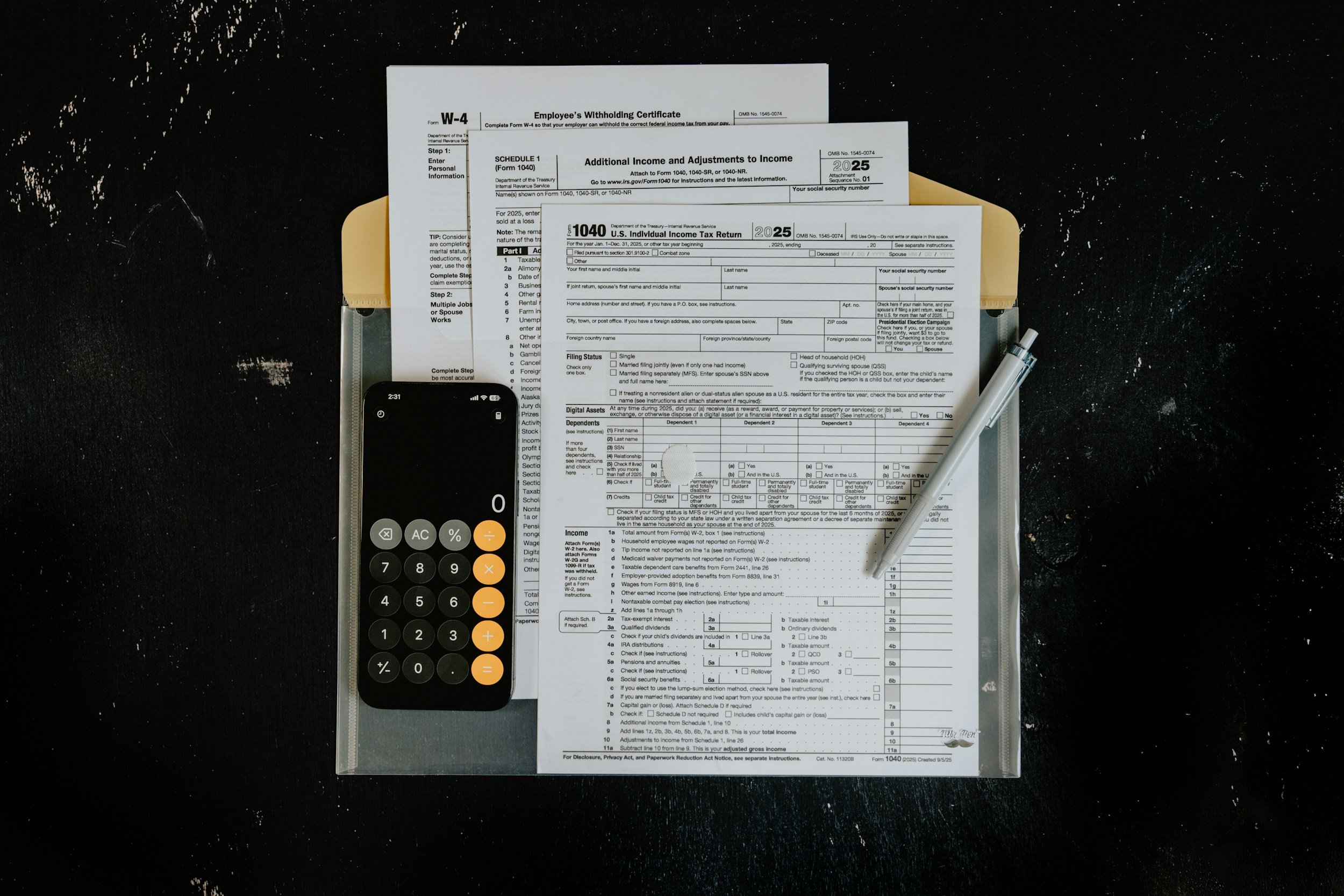
The complete and accurate disclosure of all information is necessary because any failure will lead to sanctions and the court will order financial orders to be reopened. In contested cases, parties can use formal discovery tools which include interrogatories and subpoenas to collect more financial data.
The involved parties seek temporary court orders to handle their immediate needs, which consist of interim support payments and their entitlement to remain in the matrimonial residence and the current child custody arrangements until the case concludes.
Resolving the Case and Obtaining the Final Decree
Most divorce cases end when both parties create a settlement agreement that specifies how to divide their assets and debts and whether one partner will receive spousal support and how they will share custody of their children.
The parties present their agreement to the court for formal approval. The judge issues a final decree after he determines that both the document meets legal standards and the child custody arrangement will protect the children's best interests.
When parties fail to reach a settlement agreement, the judicial process moves forward to a hearing or trial where the court will determine all remaining disputes. The duration of a contested case depends on factors that include the complex nature of the issues under examination and the existing schedule of the court and the required amount of discovery work.
Uncontested cases typically move faster. Most states, however, impose a minimum waiting period from the date of filing or service before a decree can be entered.
Key Steps After the Divorce Is Final
After the final decree is issued, multiple legal and financial obligations must be fulfilled. The review and update of wills and powers of attorney and healthcare directives needs to occur because of the changes in circumstances.
All beneficiary designations on life insurance policies and retirement accounts, as well as other financial accounts, need immediate updating. The U.S. Supreme Court has determined that retirement plan benefits go to the named beneficiary who appears in official documents when a participant fails to update their beneficiary information with the plan administrator.
A Qualified Domestic Relations Order becomes necessary when an employer divides retirement accounts through 401(k) and pension distributions. The IRS defines a QDRO as a court order that allows an alternate payee to receive a portion of a retirement plan participant's benefits.
The plan administrator then separately evaluates the order to determine whether it fulfills federal standards for classification as a qualified QDRO under ERISA. The asset division process needs to begin only after a QDRO document has been established as an independent requirement. The divorce decree allows IRAs to divide without a QDRO because they become part of the divorce process.
The divorce process permits a person to request a legal name change, which will become official through the final decree. For settlement agreements, there needs to be separate accounts to handle joint account matters.