How Our Digital Habits Are Quietly Reshaping Connection
Most relationships now run through a screen before they ever reach a room. A good morning arrives as a text, a rough day gets vented through a voice note, and a goodnight sometimes comes as an emoji instead of a whispered word. Technology has given couples and friends new ways to stay woven into each other's days, even when work, distance, or exhaustion keeps bodies apart. None of this is automatically good or bad on its own.
The shift did not happen overnight. It crept in through convenience: a quick text instead of a phone call, a meme instead of a conversation about feelings, a video chat instead of a long drive to see someone in person. People now form first impressions, resolve arguments, and even flirt through typed words and filtered video, long before tone of voice or body language ever enter the picture. Understanding these habits, rather than judging them, is a useful place to start.
The Quiet Shift From Calls to Chat Threads
Phone calls used to be the default way to check in; texting is now the quiet backbone of daily contact, valued for being fast and easy to fit between tasks. That same appetite for quick, low-stakes contact has fueled a wider category of platforms built around instant video chat with strangers. LuckyCrush is one example, a service often mentioned alongside CrushRoulette as part of the same random video chat space, and it explains its own version of that format here.
These services are a small but telling example of how normal it has become to seek out spontaneous conversation with another person at the tap of a button, even outside of an existing relationship. The appeal is not mysterious: after a long stretch of texting, an unscripted conversation, even with someone unfamiliar, can feel like a small jolt of genuine human contact. None of it calls for a verdict one way or the other; it simply shows how casual video chat has settled into everyday internet habits alongside texting and social feeds.
Phones as the New Front Door to Our Relationships
For many couples, the phone has become the front door of the relationship itself. It carries the first flirty message, the daily check-ins, and often the hardest arguments, all funneled through the same small screen used for work email and grocery lists. That blending of contexts can make it harder to separate a partner's tone in a text from their tone in person, since punctuation and timing now carry meaning that used to belong to a voice or a face.

Some couples have started being intentional about this by choosing a handful of apps built specifically for staying connected, rather than relying on whatever messaging app happens to be open at the moment. A short list of apps designed for couples can make that shift easier, offering structure for check-ins, shared calendars, and conversation prompts instead of leaving every interaction to chance and habit. Small, structured tools like these tend to work best when both partners actually agree to use them, rather than one person quietly installing an app and hoping the other follows along.
When Screen Habits Start Replacing Face Time
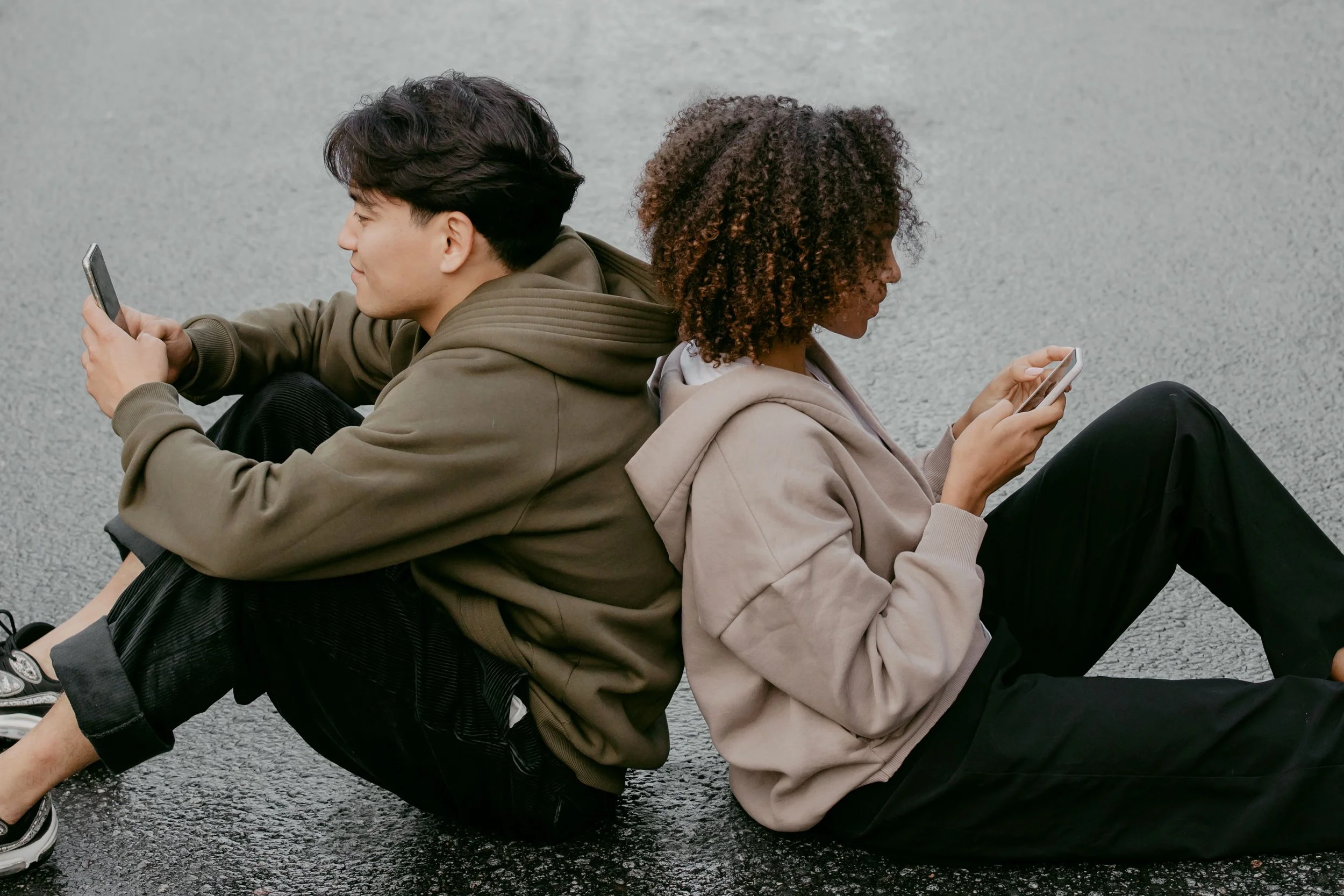
Screens are not the enemy, but they can quietly crowd out the moments that used to belong to undivided attention. A couple sitting on the same couch, each scrolling a separate feed, is now such a common scene that it rarely registers as unusual anymore. Over time, that pattern can leave both people feeling more connected to their phones than to each other, even without a single argument or broken promise ever being spoken aloud.
Small, deliberate changes tend to matter more than dramatic ones: a phone left in another room during dinner, a walk without headphones, a conversation that starts with a question instead of a scroll through a feed. Many couples find that keeping the spark alive has less to do with grand gestures and more to do with protecting small pockets of time from constant notifications and half-attention. A single dinner a week with both phones out of reach is often enough to notice a difference in how present the conversation feels.
A Widening Landscape of Digital Connection
The growth of video chat, group texting, and social apps reflects something bigger than convenience alone. Many people now spend long stretches of the day working from home, moving through cities without knowing their neighbors, or maintaining friendships across time zones that once would have faded from distance.

In that kind of life, a text thread or a video call is often the most practical way to keep a bond alive, and reaching for a screen is not a sign of a weaker relationship so much as a response to a more scattered, mobile way of living day to day. What matters most is less which tool people choose and more whether it leaves them feeling more connected or more isolated once the screen goes dark again. Even casual, low-stakes video conversation can serve a similar purpose for people who simply want company at the end of a long day.
Building Screen Habits That Support Real Connection
None of this calls for abandoning phones or swearing off video chat altogether. It calls for a little more intention about when a screen helps a relationship and when it quietly gets in the way of one. Naming a few phone-free windows during the week, choosing tools that fit the relationship instead of just whatever app happens to be trending, and paying attention to how a conversation actually feels afterward are small habits that add up over months.
Digital communication is not going away, and it does not need to. Used with a bit of awareness, it can support the same closeness that face-to-face conversation has always offered, instead of quietly replacing it one notification at a time. The goal is not a perfect balance but a conscious one, revisited every so often as habits and relationships both continue to change.