How Temporary Relocation Can Improve Emotional Clarity and Life Direction
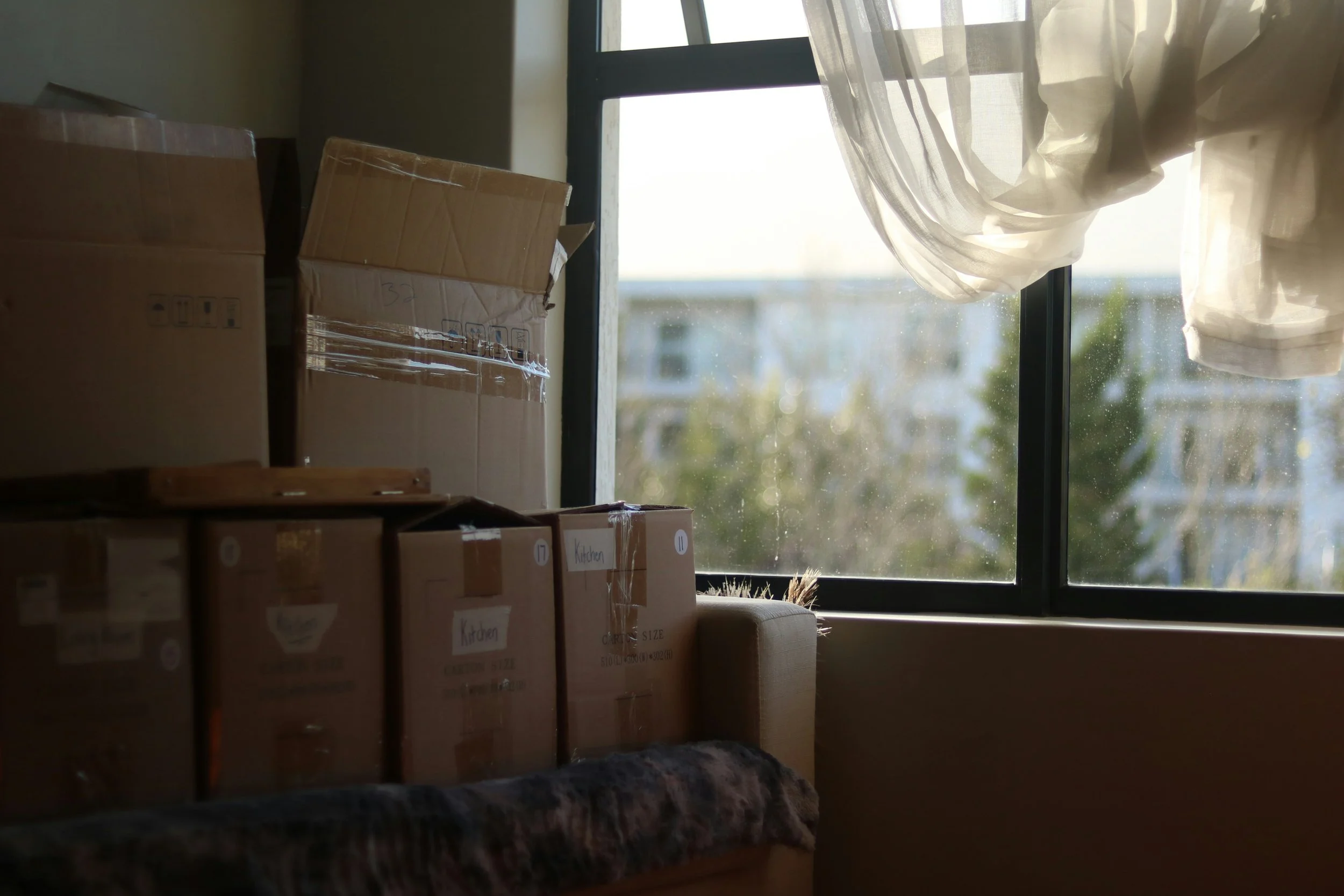
For many people, the idea of moving to a new city or country feels linked to big, permanent decisions. It usually comes with images of selling furniture, signing long leases, and committing to a lifestyle shift that may last years.
But relocation does not always need to be permanent to be impactful. In fact, a temporary change of environment can provide more breathing room to determine your next steps with regard to your life direction.
A growing number of professionals, creatives, and even families are experimenting with temporary relocation. For some, that would mean a few weeks. In other instances, that experiment can last several months.
The goal is not to escape or completely reinvent oneself. Instead, it is about creating distance from the everyday patterns that can quietly change how people think, work, and make decisions.
When you function on autopilot in your daily life, it becomes surprisingly difficult to see what is actually working and what is not.
The Problem With Familiar Routines
Most people underestimate how much their environment influences their thinking. The neighborhood café you frequent, the commute route you take daily, the familiar conversations with colleagues, and even the rhythm of the workweek can create a psychological loop. Over time, these routines start to reinforce the same decisions and habits. The next thing you know, you’re getting too comfortable.
Yes, the stability can be comforting. The downside is that it can also make reflection harder.
Psychologists sometimes describe this as “contextual inertia.” When everything around you stays the same, your mind often keeps returning to the same interpretations and assumptions. Questions about career direction, personal goals, or relationships can remain unresolved simply because there is no disruption strong enough to prompt deeper reflection.
What one might need in this scenario is temporary relocation. Living in a different city means walking through different streets, hearing different sounds, and acquainting with new people. Even adjustments like navigating the aisles of a grocery store or learning a different metro system can make the brain more attentive. In that mode, people often begin to notice things about themselves that previously were placed in the backseat.
Clarity Comes From Simplicity
Temporary relocation also tends to simplify daily routines. People would bring fewer material belongings, maintain fewer obligations, and spend more time to stop and smell the roses.
That reduction in complexity can have an unexpectedly calming effect.

Without the noise of busy schedules, social commitments, and lengthy to-do lists, people often rediscover habits that bring clarity. Long walks become more common, reading becomes a daily habit, and conversing with new acquaintances feel less transactional.
These experiences can help individuals reconnect with interests or values that had been masked by routine responsibilities.
The Role of Flexible Living
One practical reason temporary relocation has become more accessible in recent years is the availability of flexible living options. Short-term housing arrangements, furnished rentals, and month-to-month accommodations have made it easier for people to spend time in different locations without requiring a hard commitment.
These arrangements allow individuals to treat relocation as an experiment rather than a life-altering gamble. If a new environment supports productivity or helps build healthy habits for your well-being, the stay can be extended. If it does not, returning home is manageable.
That flexibility removes much of the anxiety traditionally associated with relocation. Instead of asking, “What if this move doesn’t work?” people can approach the experience with curiosity.
Distance Creates Perspective
Unsurprisingly, physical distance allows for easier detachment from the main anchors in your usual environment, such as work, societal expectations, and familiar obligations. Physical distance helps provide a different perspective, and the effects can be profound.
Problems that initially felt insurmountable can start to feel smaller when viewed from a different lens. This is why writers, entrepreneurs, and researchers often use retreats or travel as a means for reflection. The mere act of being somewhere new allows thoughts to flow without constant reminders of the roles people play in their daily lives.

A long sojourn is not necessary to create this distance. Even going on a short trip outside the city can give you more time to think, breathe, and reassess your life choices.
Many professionals spend years trudging along a path they chose early in life. These choices will continue to mount the further you proceed with your career. Eventually, the question of whether that path still feels meaningful becomes questionable and stepping away from it can feel quite daunting. In this instance, physical distance will be of huge help.
Returning Home With Clearer Direction
The goal of temporary relocation is not always to move permanently. In many cases, people return home after a few weeks or months. But they often return with a mindset shift.
Temporary relocation may not solve every problem, but it can provide something surprisingly rare in modern life: uninterrupted space to think. And sometimes, that space is exactly what people need to embark on a clearer path.