The Athlete's Dilemma: How to Stop People-Pleasing Your Way Through Competitive Sports
Competitive sports are routinely celebrated as the ultimate arena for individual mental toughness, fierce personal independence, and an uncompromising drive to succeed against all odds. We consistently praise and elevate those athletes who demand the ball in high-stakes moments, command the field with absolute authority, and push through intense adversity without a second thought.
However, behind the grand stadium lights and the triumphant post-game interviews, a silent performance-killer plagues athletes ranging from local youth leagues all the way to the elite professional ranks: the exhausting habit of chronic people-pleasing.

In the field of sports psychology, people-pleasing is recognized as a sociotropic tendency, which manifests as a deeply ingrained desire to seek constant approval and maintain superficial harmony in relationships at the direct expense of one's own fundamental needs.
Within a tight-knit team environment or a high-pressure coach-athlete dynamic, this behavior frequently presents itself as an overwhelming, paralyzing dread of causing disappointment to anyone around you.
While a healthy desire to support your teammates and show genuine respect for your coaching staff is foundational to good sportsmanship, chronic people-pleasing crosses a dangerous line. It transforms what should be a healthy collaboration into a toxic, ongoing cycle of self-sacrifice, perpetual anxiety, and ultimate underperformance on game day.
For the competitive athlete trapped in this mindset, the playing field or court ceases to be a space for personal excellence and instead becomes a stressful stage used solely for seeking relentless external validation. When an individual spends more energy managing the emotions of others than executing their own tactical assignments, their athletic development completely stalls out.
This comprehensive article explores the root causes of athletic people-pleasing, analyzes its devastating impact on long-term career longevity, and provides actionable, real-world strategies designed to help you reclaim your competitive edge and play without fear.
1. The Anatomy of the Approved Athlete
To understand why modern sports environments function as absolute breeding grounds for destructive people-pleasing behaviors, one must closely examine how young athletes are systematically conditioned from the very moment they lace up their first pair of cleats. From early youth sports onward, young players are heavily rewarded for absolute compliance over individual intuition, which establishes a rigid framework early in life.
The athlete who listens silently without ever questioning a drill, suppresses their own discomfort, and sacrifices their physical body without a single word of complaint is instantly labeled as highly coachable by authority figures.
This lifelong conditioning creates a psychological trap where an athlete unconsciously ties their entire self-worth as a human being to the shifting approval of external authority figures. Over time, the intrinsic, joyful motivation to play hard and win games is entirely replaced by an external drive to appease everyone else in the sporting ecosystem. This unhealthy dynamic eventually creates several distinct, problematic personas within competitive sports environments:
The Over-Committed Teammate: This particular athlete constantly volunteers for every single extra chore on the field, repeatedly plays out of position without ever mentioning how it hurts their personal development, and routinely plays through severe pain because they refuse to risk letting down the group.
The Silent Captain: A highly skilled player who possesses immense tactical knowledge and leadership potential but utterly refuses to call out obvious errors or demand higher standards from peers because they harbor an intense fear of interpersonal conflict or being temporarily disliked by the locker room.
The Hyper-Vigilant Performer: An anxious athlete who spends significantly more energy reading the subtle body language of the head coach on the sidelines during a live play than actually focusing on the fast-paced game unfolding directly in front of them.
When your primary objective on the field shifts from winning the actual game to keeping everyone around you perfectly comfortable, your performance begins to suffer at a foundational level. Competitive sports demand split-second, highly assertive decisions that leave zero room for hesitation or self-doubt. If you are constantly filtering every single pass, shot attempt, or defensive rotation through the restrictive lens of wondering whether someone will be angry with you for making a mistake, you have already lost the vital competitive step needed to win.

2. The Hidden Cost: How Approval-Seeking Sabotages Performance
People-pleasing is far from being a harmless personality trait or a simple preference for kindness; it acts as a direct, measurable drain on an athlete's physical and mental potential. When a competitor prioritizes superficial team harmony over aggressive execution, the underlying physiological and psychological costs accumulate rapidly until they destroy performance.
Chronic Cognitive Load and Decision Fatigue
Every single decision made within a fast-paced game environment requires absolute cognitive clarity and instinctive reaction times. An athlete who is entirely free from the burden of people-pleasing reacts instantly and fluidly to the physical stimulus in front of them without overthinking. Conversely, the approval-seeker experiences a paralyzing internal dialogue that slows down their physical reactions.
If a basketball point guard passes up a perfectly open shot just to force the ball to a frustrated star player who has been complaining, they are not making a sound tactical choice; they are instead managing a fragile emotional ecosystem in the middle of a live play. This constant, exhausting mental calculation causes severe decision fatigue as the game progresses, making the athlete noticeably slower, less decisive, and highly prone to committing unforced errors under pressure.
The Paradox of Play-It-Safe Performance
Achieving true excellence in high-level sports requires an absolute willingness to fail miserably in front of an audience. Great, memorable plays are born from taking calculated risks, such as attempting a highly difficult pass through a remarkably tight defensive window or taking a game-winning shot against aggressive double coverage.
People-pleasers rarely allow themselves to take these necessary risks because the emotional cost of potential failure and subsequent criticism feels far too high to bear. They adopt a restricted playing style built entirely around risk mitigation, which means they make the safe pass, hold back their natural speed, and constantly defer to others. Ironically, by trying desperately to avoid the minor mistakes that might temporarily disappoint their coach, they deliver a mediocre, uninspired performance that ends up disappointing the coach anyway.
Increased Risk of Burnout and Physical Injury
The physical consequences of this approval-seeking dilemma are perhaps the most tragic aspect of the entire phenomenon, often resulting in long-term damage. People-pleasers routinely:
hide escalating injuries
downplay severe structural pain,
and overtrain past the point of exhaustion simply to prove their unwavering dedication to the program.
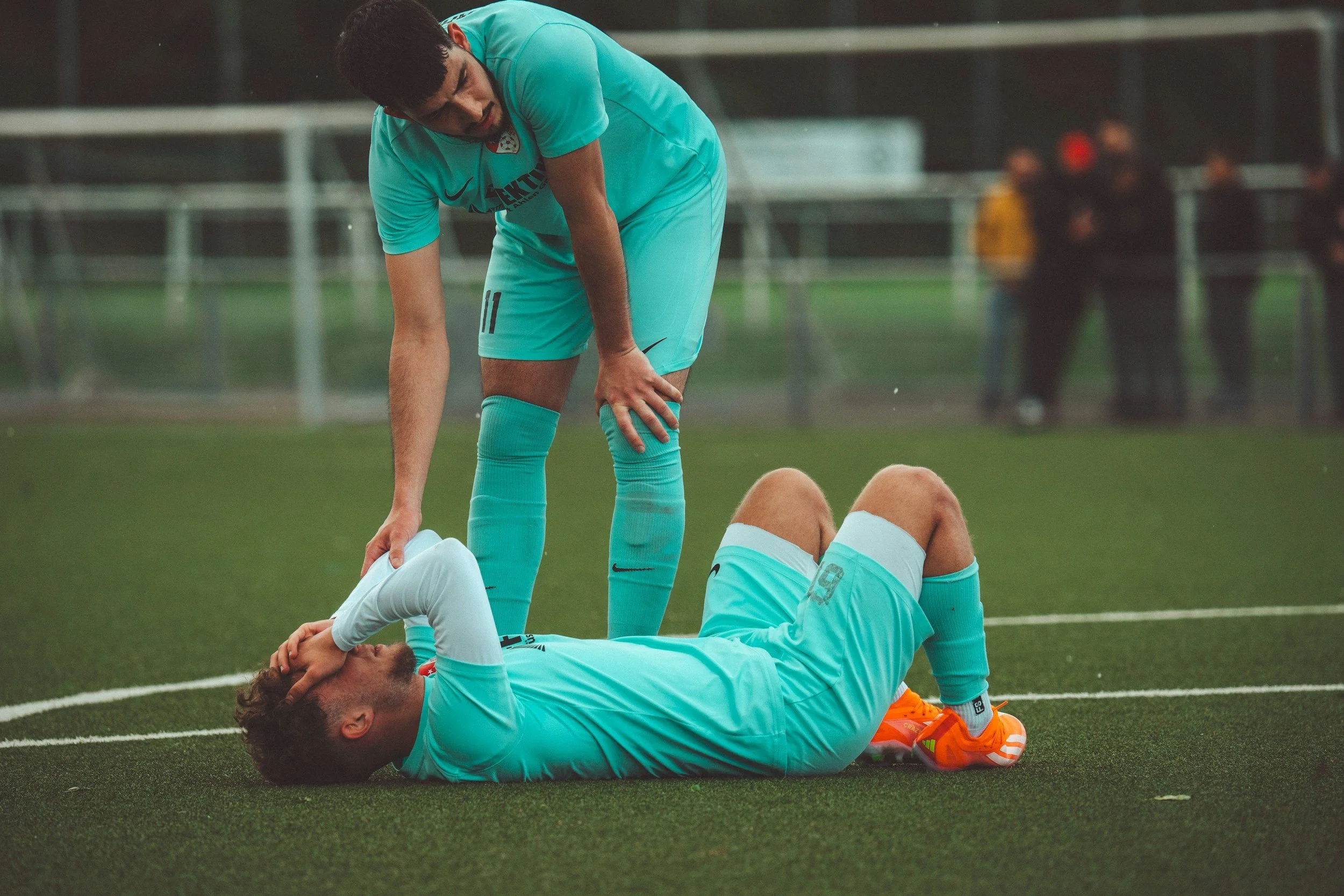
They mistakenly feel that saying their hamstring is dangerously tight and they need to sit out a rotation is an unacceptable admission of weakness or a betrayal of the group's collective goals.
This severe violation of personal boundaries can dramatically shorten an athletic career, leading to chronic issues that linger long after retirement. Much like neglecting essential home maintenance or forgetting that a regular duct cleaning is essential for keeping a complex ventilation system running safely without catching fire, ignoring your own internal physical warning signs inevitably causes a total system failure. The athlete eventually breaks down physically on a major scale because they lack the boundary control required to say no to extreme overexertion.
3. Shifting the Paradigm: From Validation to Authority
Overcoming the deeply ingrained need for constant external validation requires a complete, revolutionary shift in an athlete's mental architecture. You must deliberately transition from being an athlete who constantly seeks permission from the sidelines to an athlete who commands authentic authority on the field of play. This internal transformation is not about becoming a selfish, arrogant, or toxic teammate who ignores instructions; rather, it is about understanding that your highest possible contribution to the collective group is your fully optimized, unhindered self.
To permanently break this cycle of dependence, athletes must learn the vital skill of completely separating their ongoing performance from their core human identity.
If a demanding coach yells aggressively at you after a bad play, a chronic people-pleaser hears a devastating personal attack, concluding that their coach thinks they are a terrible person who is single-handedly ruining the team. An authoritative athlete, however, processes that exact same interaction through an objective filter, recognizing that the coach is merely frustrated by a specific technical error and knowing they possess the necessary skill to fix the mistake on the very next possession.
By actively depersonalizing intense critique in this manner, you remove the heavy emotional weight that continuously fuels approval-seeking behavior in the first place. You begin to view tough feedback as purely objective data designed to improve your athletic output, rather than a definitive verdict on your value as a human being.
4. Four Practical Steps to Build Tactical Assertiveness
Unlearning a lifetime of deeply embedded people-pleasing behavior cannot happen overnight through willpower alone; it requires deliberate, daily practice integrated into your training, much like mastering a difficult physical skill. The following four practical strategies are designed to help you establish healthy personal boundaries, build mental resilience, and unlock your authentic playing style:
Step 1: Establish the "Internal Scorecard"
Before you can realistically stop worrying about everyone else's opinion of your game, you must clearly define your own strict standards of personal success. Create an internal scorecard based entirely on inputs that you can completely control, such as:
your physical effort,
your precise adherence to the tactical game plan
and your ability to maintain a positive attitude immediately after making mistakes.
Evaluate your performance against this scorecard the moment a game ends, intentionally doing so before you check social media, talk to your parents, or review the critique notes from the coaching staff.
Step 2: Practice Radical Transparency Regarding Physical Limits
Your physical body is your primary instrument, which means you must protect its longevity with absolute honesty and zero apologies. When dealing with emerging physical pain or extreme fatigue, communicate directly with sports medicine staff or coaches using highly objective, neutral language that leaves no room for debate.
Replace apologetic, weak statements like I am really sorry, but my knee hurts a little bit today with definitive, professional statements such as My left knee is experiencing sharp pain during lateral movements, so I am going to work directly with the trainer to address this issue today.
Step 3: Embrace Productive Conflict
Great sports teams are never built on a foundation of superficial harmony and polite silence; they are forged through the fires of productive, honest conflict.
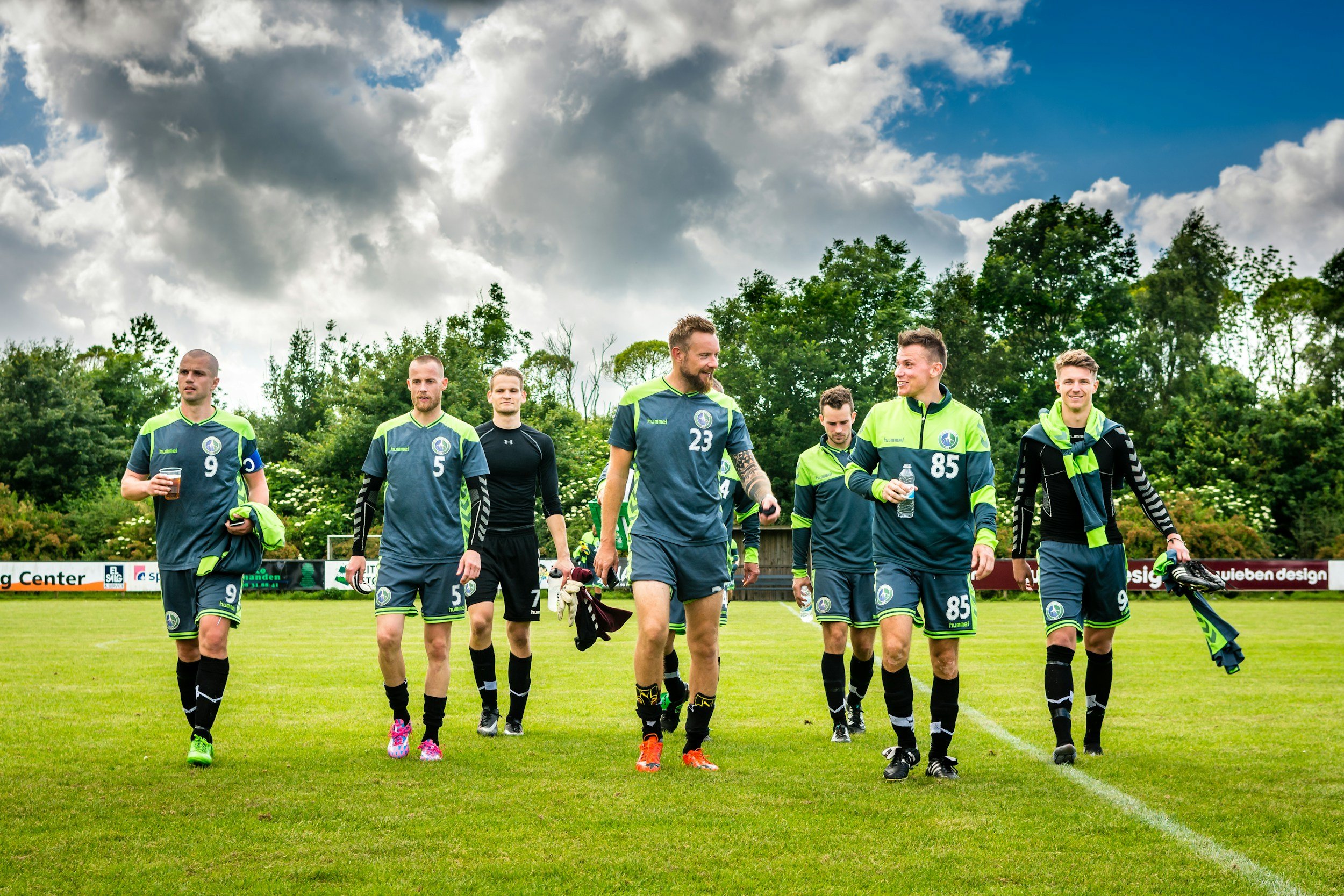
If a teammate is consistently missing their defensive assignments or dropping their overall work rate during a match, addressing the issue directly is a sign of deep respect for the team's shared championship goals. Start small by speaking up clearly during film review sessions or quick team huddles, making sure to focus your words strictly on tactical adjustments rather than personal insults to ensure the conversation remains highly constructive.
Step 4: Develop a Reset Routine for High-Pressure Moments
When you inevitably feel the familiar wave of people-pleasing anxiety rushing over you during a critical match, you need a physical anchor to immediately bring your mind back to the present moment.
Develop and implement a simple, consistent physical sequence, such as taking a deep diaphragmatic breath, adjusting your equipment deliberately, and repeating an intense internal cue word like execute or attack. This physical action successfully interrupts the chaotic cycle of approval-seeking thoughts and forces your brain back into an active, problem-solving state of focus.
Conclusion: The Ultimate Paradox of Team Success
The great, undeniable irony of the athlete's dilemma is that the more desperately you try to please every single person around you, the less actual value you are able to provide to them as a competitor. A team comprised entirely of individuals who are utterly terrified of making mistakes, speaking up for themselves, or taking charge in moments of crisis is a team that is inevitably destined for mediocrity.
By actively stepping away from the trap of people-pleasing, you are not abandoning your teammates or acting selfishly; you are finally offering them your absolute best asset, which is an unburdened, authentic, and completely fearless competitor. True leadership and elite performance require the immense courage to stand firm in your personal value, take massive calculated risks, and accept that causing occasional disappointment to others is a completely natural part of the pursuit of greatness.
If you are fully ready to stop playing small and start dominating your sport on your own terms, the internal transformation must begin today. Take absolute ownership of your daily training routines, set firm, unyielding boundaries around your physical well-being, and let your internal